
不结婚
When steel forests glow: How China’s heavy infrastructure found new audiences_我的网站

一 |
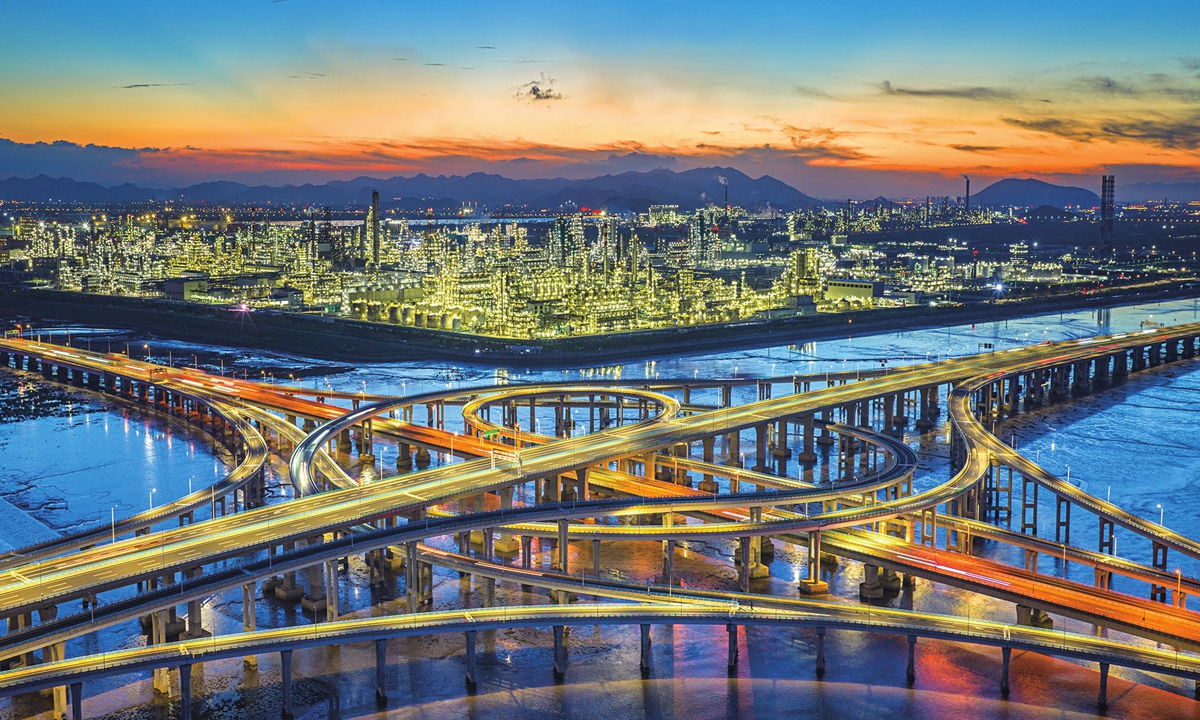
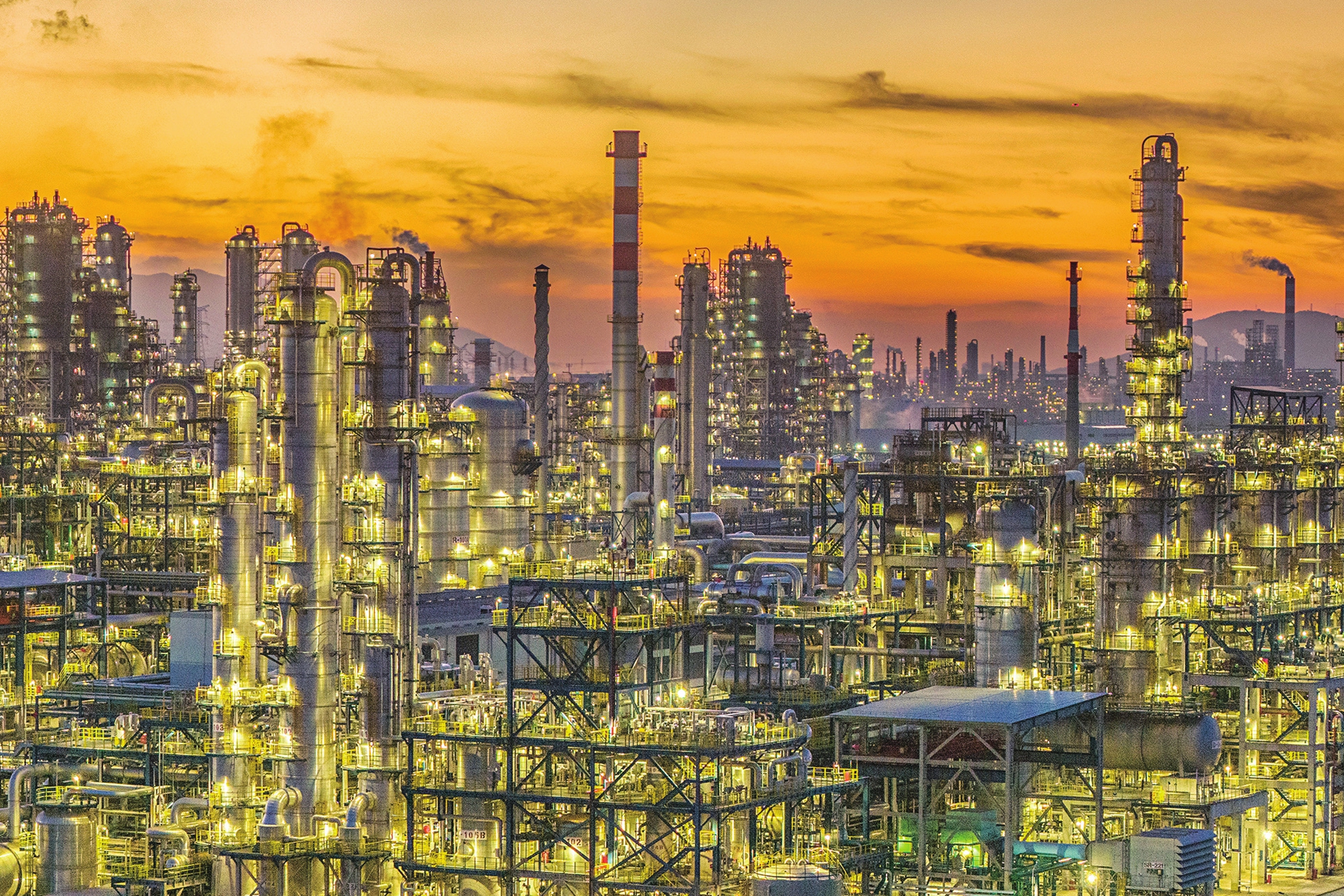
As night falls along China's East China Sea coast, rows of sprawling industrial facilities glow brightly under the dark sky. At Sinopec Ningbo Zhenhai Refining and Chemical Co., Ltd. (NZRCC) in East China's Zhejiang Province, a network of oil pipelines, towering distillation towers and neatly arranged oil storage tanks forms a futuristic "steel forest" outlined by lights and shadows.
On Chinese social media, this striking tableau has been embraced by younger generations as the essence of "cyberpunk-style hardcore romance." Amateur photographers and influencers have compiled detailed guides to the best viewing spots, complete with walking routes, camera angles, and even the optimal time to capture the scene, the so-called "blue hour," the period just before sunset.
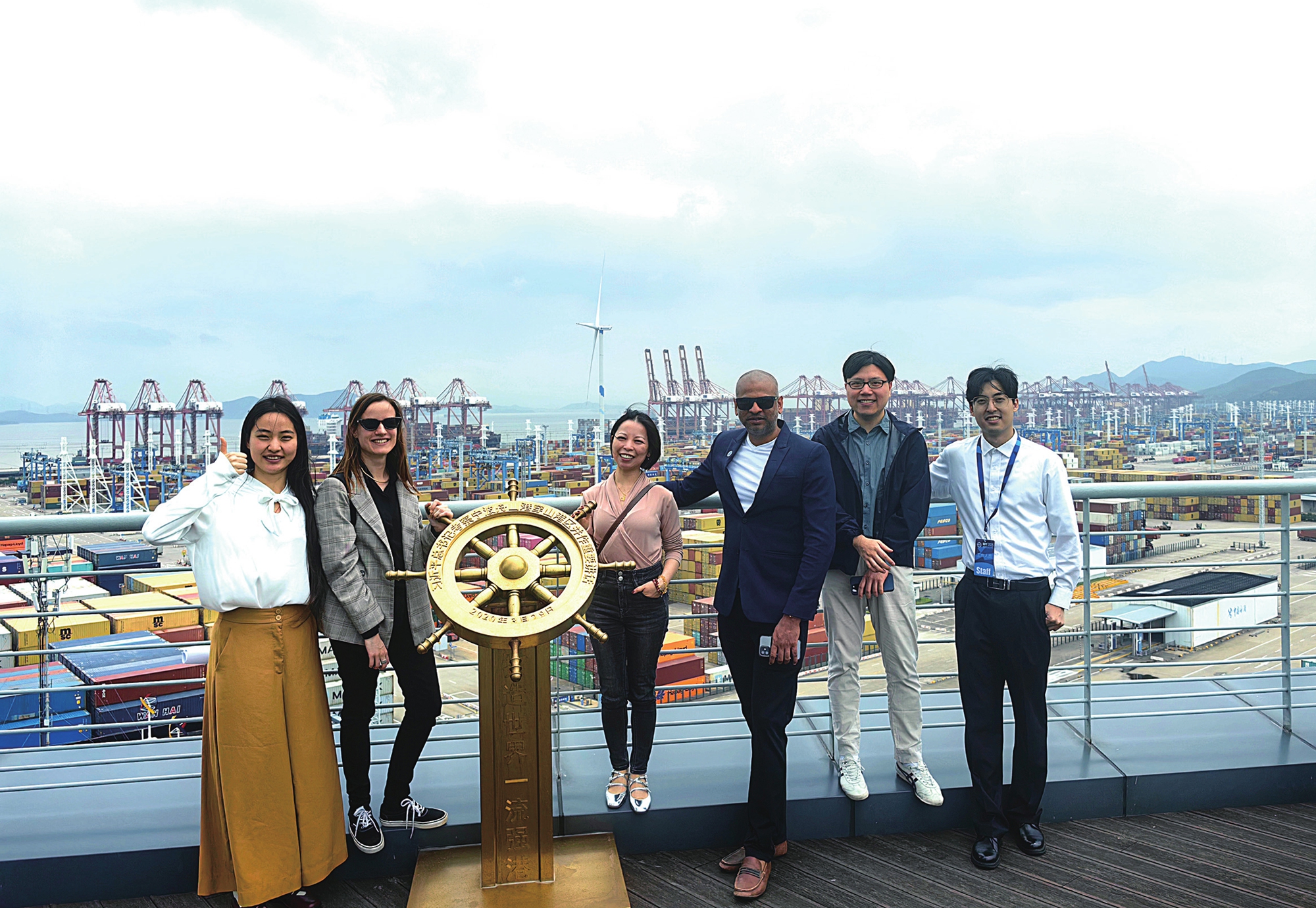
Dozens of kilometers away, Ningbo-Zhoushan Port presents another stunning industrial scene. At this super port, which has ranked first globally in cargo throughput for 17 consecutive years, massive cargo ships anchor on the blue sea, stacked colorful shipping containers stretch along the shore, and giant quay cranes line up neatly. The dynamic interplay of mechanical operation lights and natural mountain and sea scenery creates a harmonious industrial beauty.
For years, heavy chemical plants and port infrastructure were associated in the public mind with noise, pollution, and a kind of forbidding remoteness - places to be avoided. Today, however, these industrial sites have transcended their purely functional roles, emerging as vivid windows through which ordinary people can observe China's new quality productive forces, and as a new narrative of coexistence between industry, ecology, and tourism.
From avoidance to admiration
"In the past, when people thought of heavy chemicals, their first associations were pollution and safety risks - they instinctively wanted to stay away. Now, young people willingly come close, take photos, and share images of refinery towers at night. That makes us deeply proud," Zhang Da, deputy general manager of NZRCC, told the Global Times.
Zhang emphasized that the facility's newfound "cyberpunk appeal" is not a gimmick created by lighting. Tens of thousands of tourists have now visited the outer perimeter of the plant. "Visitors can intuitively experience fresh air, a tidy environment and steadily operating production equipment. These unalterable real feelings are the core reason why industrial scenery has become a new urban landmark," he said. Modern industry, once distant to the public, has become visible, tangible and approachable.
A similar shift in public perception is taking place at Ningbo-Zhoushan Port. Netizens have spontaneously explored popular hiking trails on the mountains near the port. From elevated viewpoints, visitors can watch intelligent unmanned cranes operating with precise accuracy, alongside giant wind turbines spinning in the wind. Heavy industrial facilities blend seamlessly with lush mountains and clear waters, creating a perfect balance of motion and tranquility.
Chen Jia, a local resident, often comes to the coastline to overlook the port in his spare time and brings friends, including foreign visitors, to experience the scenery. "The efficient unmanned terminals, magnificent giant ships and harbor, and refreshing mountain-sea views have broken the cold stereotype of traditional industry. This is a unique romance made in China," he said.
What gives these industrial landscapes their staying power is not the rush of a thousand camera clicks, but their genuine industrial strength and the invitation they extend to the public: to look beyond the spectacle and start asking how it all works.
"Industrial sites can become scenic spots through long-term safety and environmental governance, as well as sophisticated modern industrial management," Zhang noted. "Young people's interest in industrial landscapes is a great starting point. More importantly, we attempt to turn this temporary online attention into long-term public recognition, letting real industrial sites serve as a window for the public to learn about modern industrial systems."
NZRCC first made this understanding tangible in an unexpected place: a 15,000-square-meter woodland at the heart of the complex, where egrets have made their home. When pipeline plans originally called for cutting through the area, the company rerouted them to protect the birds' habitat. During breeding seasons, all nearby construction is suspended.
Today, the "Egret Garden" is equipped with a 24-hour livestream that has attracted over 200 million views online.
Beyond ecological progress, the company strives to translate obscure industrial jargon into everyday language for the public.
Through open houses and social media outreach, the public has come to learn that this forest of steel towers has developed key materials for artificial lung technology, produced separator films for new-energy vehicle batteries, and turned waste cooking oil into sustainable aviation fuel that now powers commercial flights.
What began as a casual appreciation of a nighttime spectacle has gradually deepened into a genuine understanding that this once-distant industry underpins much of daily life, from transportation and housing to health care and the transition to cleaner energy, making China's new quality productive forces more tangible and understandable, Zhang said.
Ningbo-Zhoushan Port has likewise carved out a path toward meaningful public engagement. It has hosted a wide range of public exchanges and educational programs while carefully designing popular science exhibition halls and outdoor viewing sites to engage visitors.
"Since its founding, a port has always been about openness and connection," Zhuge Xurong, director of the Cultural News Center at Ningbo Zhoushan Port Company Limited, told the Global Times. That openness, he said, extends beyond shipping routes to the exchange of ideas and knowledge between the port and the public.
Such open industrial scenes have become common across Ningbo's industrial parks, with bilingual science popularization activities bringing modern factories closer to the public. Online content creators frequently visit these industrial bases, unveiling the mysteries of Chinese manufacturing to wider audiences.
The trend stretches nationwide: intelligent heavy trucks in Lingang new area of the Shanghai free trade zone, drone manufacturing bases in Shenzhen, rail-transport industrial parks in Chengdu. Meanwhile, older industrial sites are being transformed into cultural and creative parks, preserving their historical textures while injecting modern vitality.
From awe to intimacy, from distance to engagement - this distinctly Chinese brand of industrial romance is reaching more people, being better understood, and continuing to evolve.
。

二 | 在当晚的财报电话会上,小鹏集团董事长及CEO何小鹏表示,小鹏机器人首轮融资金额和估值即打破行业纪录,充分体现了资本市场对小鹏在物理AI领域的领先地位、技术路线、规模量产能力和长期商业价值的高度认可。 何小鹏从今年6月开始亲自担任机器人业务CEO,据他介绍,小鹏研发人形机器人已有8年,随着时间推移,他越来越意识到,高阶人形机器人的技术挑战和创新难度远高于智能汽车,“至少相差20倍”。要做好创新,必须在设计和造型、硬件和芯片、软件和AI、数据和管控、品质和制造上,做到兼具广度和深度的正向研发和集成研发。

三 | 他还认为,高阶通用机器人的技术门槛极高,优质供给相当稀缺,因此每一台IRON在全生命周期的收入和毛利贡献,包含硬件销售和软件AI模型能力升级带来的持续性收入,将会大幅高于当前汽车业务的单车均价和毛利。

四 | 值得注意的是,就在小鹏机器人官宣融资的同一天,另一大造车新势力零跑汽车也透露相关业务的动向。在零跑汽车026年中期业绩电话会上,公司副总裁李腾飞回应机器人业务传闻称,新能源汽车企业、尤其是具备全域自研能力的新能源汽车企业,是最具备条件做机器人的企业之一,零跑确实在这方面有我们自己的规划,具体信息将很快通过正式公告发布。

五 | 此前工商信息显示,零跑旗下浙江凌昇动力科技有限公司于2026年7月全资设立湖州凌昇精密制造有限公司,注册资本2.1亿元,经营范围包含工业机器人制造、智能机器人研发。 零跑最新发布的2026年半年度财报显示,上半年实现营业收入381.1亿元,创同期历史新高;净利润2.1亿元,连续三个半年度实现盈利;二季度毛利率环比提升至12.6%。 (文章来源:界面新闻)。
Current article:http://zro5.cuntoujuefourantapai.cfd/list_c2xuab9/j6jzx.html
Published on:00:30:17


不结婚TXT下载声明:
1 我的网站免费提供的不结婚,均由网友上传,供下载测试之用,不作商业用途,下载后请二十四小时后删除!
2 我们根据txt小说全文所整理出不结婚txt电子书全集免费下载,由程序自动生成不结婚txt下载文件。
3 书友所发表的txt小说不结婚的相关评论,并不代表本站赞同不结婚txt下载或者支持不结婚的读者观点。
4 如果发现小说《不结婚txt全集》无法下载未及时更新请联系我们。如果您喜欢不结婚txt电子书,请支持作者到书店购买正版图书。感谢您的合作与支持。
5 好看的小说不结婚是作者"百年不渡"的最新力作,不结婚电子书由网友发布;小说不结婚版权属于作者所有,如果侵犯您的利益,请通知我们。